
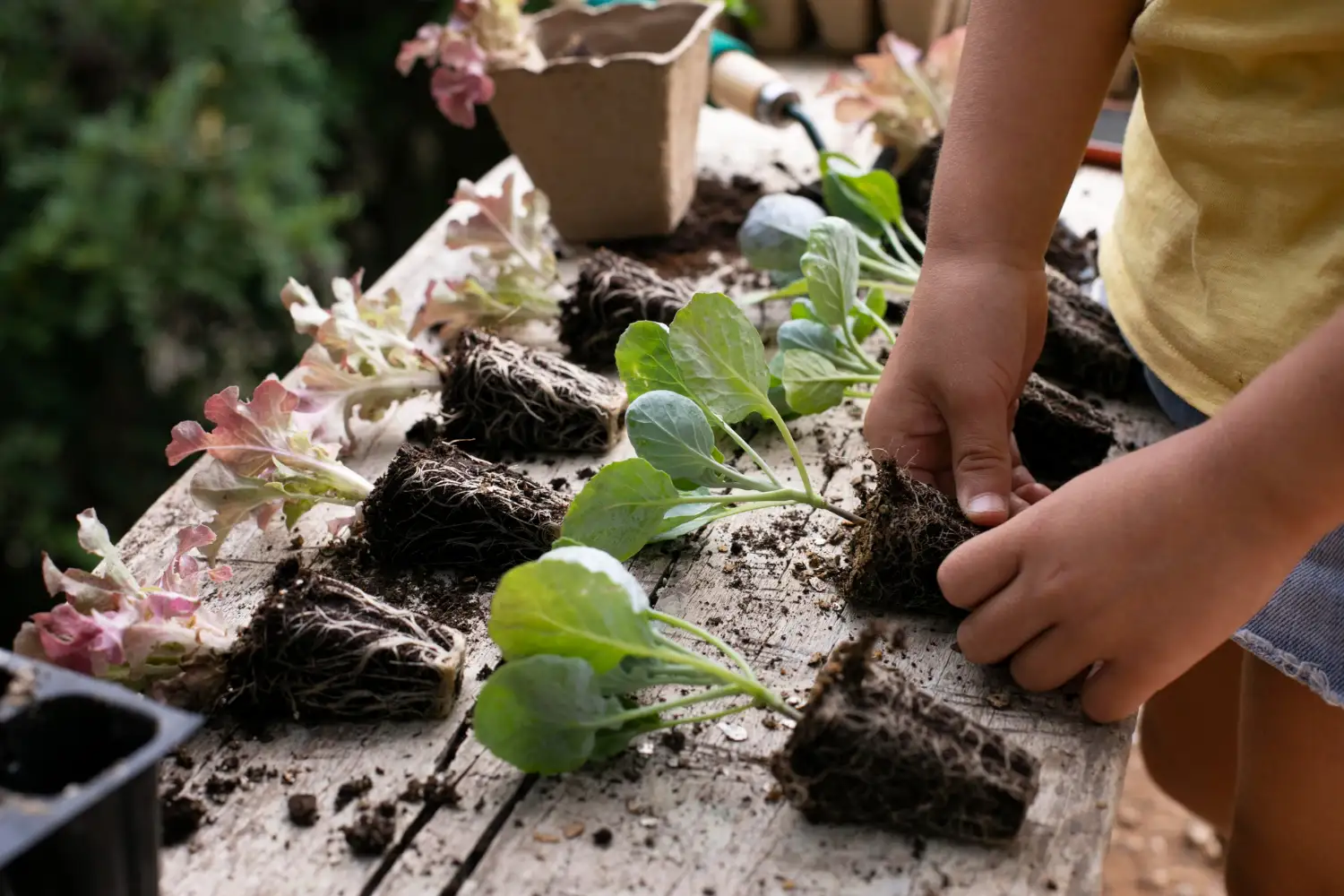
You can build a thriving permaculture garden anywhere. It does not matter if you have a large backyard or a small urban balcony. This approach to growing food is different from traditional farming. You do not fight against pests and weeds. You work with nature to create a balanced ecosystem. This guide will show you how to turn a patch of grass or dirt into a productive paradise. You will learn to save time, conserve water, and grow healthy food for your family.
Think Like an Ecosystem
Many gardeners spend their weekends weeding, spraying, and digging. This is hard work. It happens because we often try to force plants to grow where they do not want to be. Permaculture changes this mindset. We look at how a forest grows. No one fertilizes the forest. No one waters the wild trees. Yet, the forest is always green and full of life.
Your garden can work the same way. You must stop seeing your garden as a factory that produces vegetables. Start seeing it as a living system. Every insect, plant, and drop of water plays a role. When you connect these elements correctly, the garden starts to take care of itself.

Step One: Stop and Observe
The biggest mistake beginners make is buying plants too soon. You might feel excited to start digging immediately. Please pause. A good design begins with a long period of observation. You need to understand your land before you change it.
Take a notebook and walk around your space. Watch where the sun rises and sets. Mark the areas that get full sun and the areas that stay in the shade. Watch what happens when it rains. Does the water pool in one spot? Does it run off quickly into the street? You should also notice the wind. Strong winds can damage delicate young plants.
These observations act as your map. You will know exactly where to put your tomatoes (which love sun) and your leafy greens (which like some shade). This simple step prevents failure later on. It saves you money because you do not buy plants that will die in the wrong spot.
Building Soil Without Digging
Healthy soil is the engine of your garden. Traditional gardening often involves tilling or double-digging. We avoid this in permaculture. Tilling breaks the structure of the soil. It kills the worms and beneficial fungi that help plants grow. It also wakes up dormant weed seeds.
We use a method called sheet mulching. Some people call it lasagna gardening. You can build new soil right on top of your grass or weeds. It is easy and effective.
First, you cut down any tall weeds or grass. Leave them on the ground. Next, cover the area with plain cardboard. Make sure the edges overlap so no light gets through. This stops the weeds from growing back. Wet the cardboard thoroughly with a hose.
Now you add the layers. Put down a layer of compost or manure. This provides nitrogen. Top it with a thick layer of straw, wood chips, or dry leaves. This carbon layer protects the soil moisture. Over time, the cardboard will rot. The worms will come up to eat it. They will mix the layers for you. You will have rich, dark soil without ever turning a spade.
Catching and Storing Water
Water is a precious resource. You should not rely entirely on your hose. Permaculture teaches us to catch water when it is abundant. You can use it later when the weather is dry.
The simplest method is a rain barrel. You can connect it to your roof gutter. A single storm can fill a barrel in minutes. This water is better for your plants than tap water because it has no chlorine.
You can also shape the land to hold water. We often use swales for this. A swale is a shallow ditch on the contour of the land. It catches rainwater running down the hill. The water sits in the ditch and slowly sinks into the ground. This waters the roots of your trees deep under the surface. It is a passive irrigation system that works while you sleep.
Planting in Guilds
Most farms plant huge rows of a single crop. This is called a monoculture. It acts like an all-you-can-eat buffet for pests. If a bug likes corn, and you only plant corn, you will lose your harvest.
We plant in guilds instead. A guild is a group of plants that help each other. They work as a team. The most famous example is the Three Sisters. This comes from indigenous agriculture. You plant corn, beans, and squash together.
The corn provides a tall stalk for the beans to climb. The beans pull nitrogen from the air and feed it to the soil. The squash grows low along the ground. Its big leaves shade the soil and keep the weeds away.
You can create your own guilds. Try planting strong-smelling herbs like basil or chives near your vegetables. The smell confuses pests. Plant flowers like marigolds to attract bees. Diversity is your best defense against disease and bugs. The more variety you have, the stronger your garden becomes.
Zoning Your Space
You should place elements based on how often you use them. We call this zoning. It creates an efficient workflow.
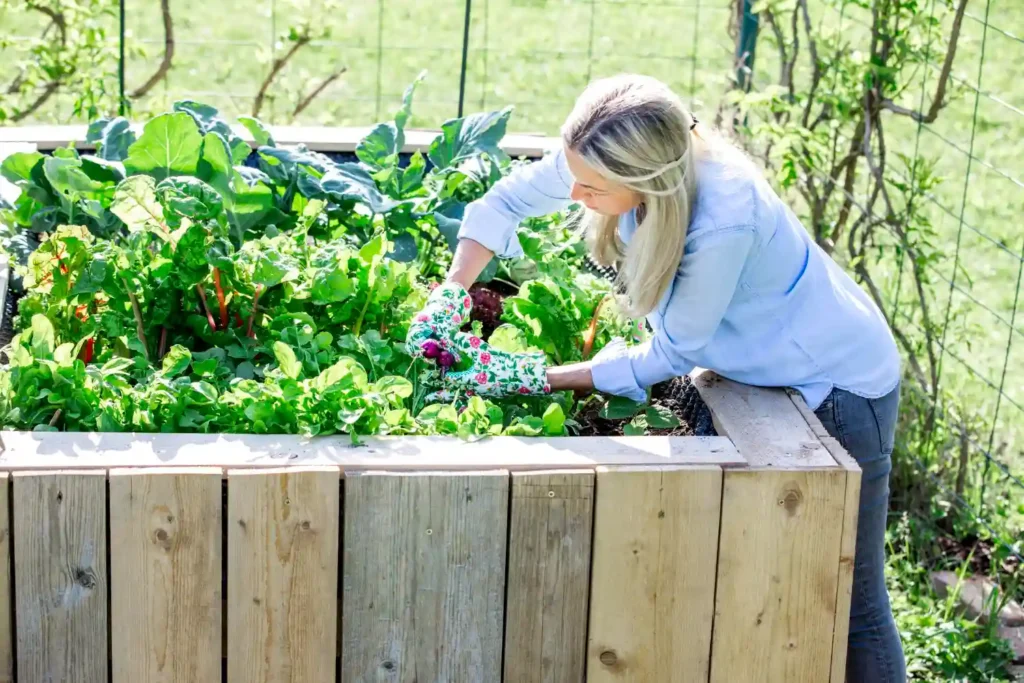
Zone 1 is the area closest to your door. This is where you put plants that need daily attention. Your salad greens, herbs, and soft fruits belong here. You will see them every day. You will remember to water them and pick them for dinner.
Zone 2 is a bit further out. This is for crops that need less care. You might put potatoes, pumpkins, or corn here. You also place fruit bushes and compost bins in this zone.
Zone 5 is the wild sector. You do not manage this area at all. You leave it for nature. It provides a home for birds, lizards, and predatory insects. These creatures will visit your garden and eat the pests. This balance keeps the ecosystem healthy without chemical sprays.
Maintenance and Care
A permaculture garden is not zero work. But the type of work changes. You will spend less time weeding and watering. You will spend more time pruning and harvesting.
We use a technique called chop and drop. When you prune a tree or clear a finished crop, you do not throw the green waste away. You chop it up and drop it right on the soil. It acts as mulch. It breaks down and returns nutrients to the plants. It mimics the natural cycle of leaves falling in a forest.
You should also keep your soil covered at all times. Bare soil is dead soil. If you have an empty spot, plant a cover crop like clover. Or simply cover it with more straw. This keeps the moisture in and the weeds out.
Start Small and Grow
It is easy to get overwhelmed with big ideas. You do not need to transform your whole property in one weekend. Start with one small bed. Try the cardboard method. Plant a few easy crops like radishes or lettuce.
Watch how it works. Taste the difference in the food you grow. Once you gain confidence, you can expand your system. You can add fruit trees or a rainwater system later.
The most important thing is to begin. Nature is a patient teacher. You will make mistakes, and that is okay. Every mistake is a lesson regarding your specific land. Your permaculture garden will grow and evolve with you. It will become a place of peace, abundance, and learning. Grab some cardboard and compost, and start building your future today.
Lightning response on quote requests in this service https://essayhub.com/write-essays-for-money and order confirmations — no waiting days for a price. Speed at the start sets the tone for the whole process.